

The algal bloom continues to devastate SA waters and communities.
Buyers spooked by the algal bloom disaster are shying away from lucrative oyster leases on South Australia’s west coast – even though the area remains unaffected by the devastating bloom.
Not a single inquiry has been received for the sale of two established oyster leases at Denial Bay, near Ceduna, which have the potential earning capacity to recoup their combined $400,000 asking price within just a few years.
“I would have thought an oyster lease would have had people jumping on it,’’ said Elders Eyre Peninsula selling agent Elaine Seal.
MORE: Hit or miss: Property experts’ verdicts on election promises

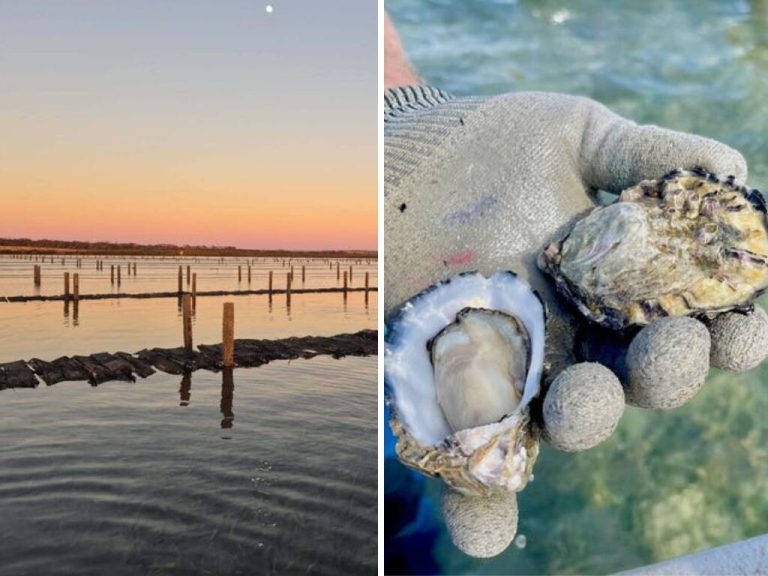
The algal bloom is stopping potential buyers from investing in oyster leases at Denial Bay despite the issue not affecting that area.

The lucrative leases have the potential to recoup their combined $400,000 asking price within just a few years.
“There’s no algal bloom there. It’s never been there … but maybe (potential buyers) don’t understand that.’’
Since first reported a year ago, the bloom has affected more than 4000km of the state’s coastal waters, with a recent Conservation Council SA report finding it had cost the fisheries sector$100m.
There are 30 affected towns, each with an average of 30 businesses that have individually lost an average of $52,000, according to July estimations by the SA Tourism Industry Council.
Fishing, aquaculture and tourism industries are the worst affected, with the seafood industry sustaining major economic damage – with massive collapses in southern calamari, garfish, and King George whiting catches since the bloom began, the report said.
But Ms Seal said the crippling impacts on fishers elsewhere may prove beneficial for the new owner of the leases, who could potentially pick up trade previously enjoyed by oyster farmers from other regions who had been forced to close.
She said the current owner – who was looking to retire after oyster farming for the past 25 years, having taken over the business from his parents – already had established clientele in nearby Smoky Bay and Streaky Bay.
The farm currently has an output of about one million oysters a year, grown from spat to on-grower stage, where they are then supplied to finishing farms.
MORE: Subs boom: The area surging on the back of defence advances

The farm has an output of about one million oysters a year.

Foam at Henley Beach last year that was caused by the algal bloom, which has plagued SA for a year. Picture: RoyVPhotography.
Having shifted to a part-time business operation 12 years ago, the vendor still managed to make a profit of about $300,000 a season, Ms Seal said.
But a new operator working full-time and looking to expand from the current twin-line production system to three lines could easily bring in higher earnings, she said.
“He has a million oysters but you have got the capacity to double that if you do it full-time and put extra lines in and commit (to the business) fully,’’ she said.
“From what he’s told me, after he’s taken some of the costs out, he would sell $300,000 (worth of oysters) a season.
“The (selling) price is $400,000 so it would take less than three years to pay it all off – and if you go full-time it probably won’t take that (long).’’
Ms Seal initially hoped a neighbouring oyster farmer would take over the leases but conceded “they’re probably close to retiring too’’.
She said the vendor was willing to provide up to a year of “advisory assistance’’ to industry newcomers, adding the venture could be an effective loss-minimisation strategy for oyster farmers from bloom-affected regions or drought-afflicted crop or livestock farmers.
Ms Seal said a combined annual lease fee of $6065 had been waived by the government until June 30 as part of a relief package for commercial fishers, although she intended removing that detail from the initial listing in case buyers incorrectly linked the sale to the algal bloom.