

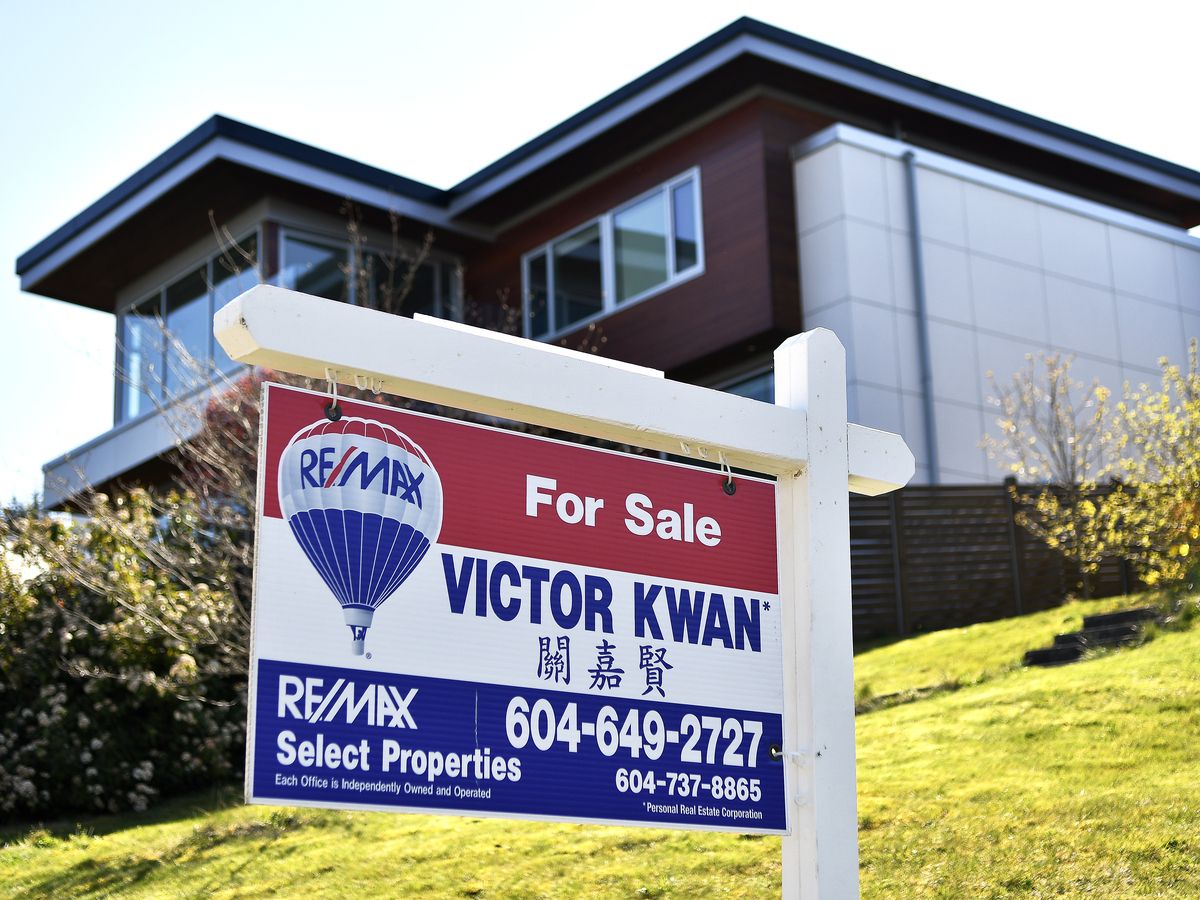
Greater Vancouver and the Fraser Valley are closing in on a record that few real estate types want broken: the most court-ordered residential listings in at least two decades.
That’s the forecast from Zealty.ca , says Hamidreza Etebarian, president of the real estate listing site.
Through September, he tells me, the two regions had racked up 946 court-ordered listings. The high in Zealty’s records is 1,174, set in 2012 — in the hangover from the global financial crisis.
But the number of listings is one thing. How long they’re taking to sell is another.
In a typical year, about 60 per cent of court-ordered listings (more than 80 per cent of which are foreclosures) would sell, says Etebarian. And 50 per cent are usually gone by September.
In 2026, just 38 per cent have sold so far.
“It’s a soft market,” he said. “That’s the main reason.”
“All these court-ordered sales are a sign of the economic times.”
The distress has also moved upmarket.
Through August, court-ordered listings in West Vancouver were running at nearly four times their crisis-era pace, while the city’s pricey Westside was at about two and a half times.
“We just saw one in Shaughnessy listed for $17 million and it sold for $10 million,” he says. (A $7-million haircut, for those keeping score.)
“These are wealthier families who stretched themselves too thin,” Etebarian said.
Many need to renew and are finding they can no longer service the debt. Surging fixed mortgage rates aren’t helping, and now they have to liquidate.
Court-ordered sales were never speedy
This year, according to Zealty, they’re taking three times as long to sell as regular listings (a median of about 70 days versus 23).
Etebarian’s list of reasons is long: the process is slower, closing is more complicated, buyers have to bid, the seller may not be pricing the home right, and the place might be in rough shape.
“They aren’t fire sales ,” he explained, as courts try to ensure a property is sold as close as possible to its fair market value.
But you can still get a deal, he said. Lenders can be motivated on properties that sit because they’re losing money each month.
Year-to-date, court-ordered properties are selling for about 14 per cent below assessed value, Zealty reports. A regular sale might trade at roughly a five per cent discount.
“You’re not getting the 30 to 40 per cent off that people assume.”
So it’s a better bargain, but not a heist.
If foreclosures interest you — as a buyer, hopefully — Zealty is one of the few places to find them free.
And if one catches your eye, here’s the typical path from offer to keys, according to the company:
Step 1: The lender accepts your offer, subject to court approval. This can take a week or more.
Step 2: The buyer removes all subjects within one to two weeks. (The court only approves unconditional offers.)
Step 3: The lender’s lawyer books a hearing, usually four to six weeks later.
Step 4: On the hearing day, other buyers can hand in sealed bids by 9:45 a.m. and the judge approves the best offer. (Yes, you can do all that waiting and still lose the home.)
Step 5: The sale completes about two weeks after the judge’s order.
As you can see, courts don’t do rush orders. All in, it’s typically a two- to three-month process, and one adjournment can add weeks.
In other words, this is not for buyers who like certainty — or sleep.
On the upside, few investors are buying right now, Etebarian said. Plus, rates are on the rise, so bottom fishers should find the pond a lot less crowded.
Robert McLister is a mortgage strategist, interest rate analyst and editor of MortgageLogic.news. You can follow him on X at @RobMcLister.
Looking to save on your mortgage?
For the best national insured and uninsured mortgage rates, updated daily, please visit our mortgage rate page here .