

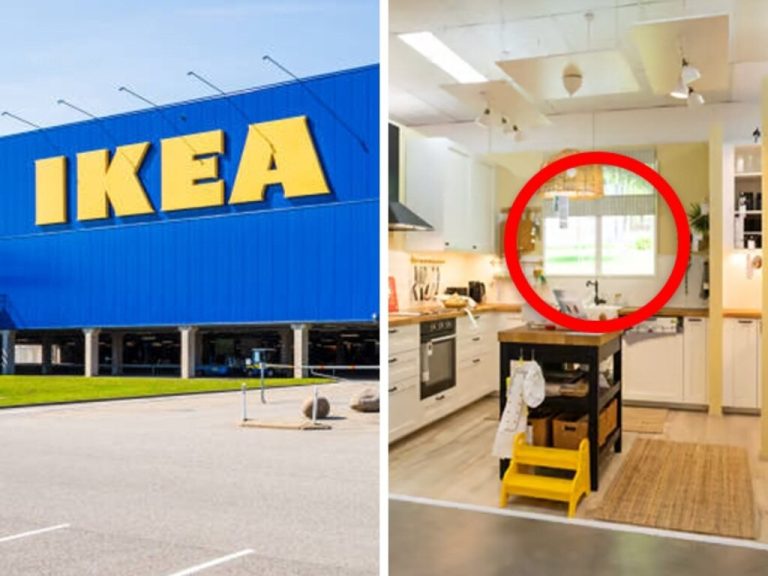
As Australian homes get smaller, darker and more tightly packed, a bizarre viral deep dive into Ikea’s fake windows has struck a nerve with anyone who’s ever wished they could add natural light without the cost of a major renovation.
What began as one man’s strange obsession with the “weather” inside Ikea has now sparked fresh interest in fake windows as a surprisingly practical fix for windowless rooms, basement flats and cramped homes.
The man, who became known by staff as “the weather guy”, claimed he noticed something unusual during repeated visits to the Swedish retailer: the daylight glowing behind its artificial windows didn’t always look the same.
MORE NEWS
Driver baffles with bizarre Bunnings car load
Barbeques Galore saved – but there’s a brutal catch
McDonald’s stings customers with surprise parking fees
Some displays appeared to be bathed in bright afternoon sunshine, others looked cloudy, while some bedrooms seemed to have the soft light of early morning.
What started as casual curiosity quickly spiralled.
He began photographing the windows, sorting the images into folders, tracking light levels by department and recording what kind of shopper each room appeared to target, from families to students and young professionals.
The Reddit post has been shared wildly online.
According to the now widely shared post, he became convinced Ikea was using subtle lighting cues to shape how customers felt in different spaces.
“Home office displays almost always had dull weather, while bedrooms and children’s rooms had noticeably nicer conditions,” he wrote.
“I honestly found that a little manipulative because people make different decisions depending on the weather they think they are experiencing.”
His theory only grew from there.
Ikea denies “artificial weather” system
After printing out a spreadsheet of his findings and showing it to a staff member, he was reportedly asked why he had visited the store 14 times in two months.
He later emailed customer support to ask whether the “artificial weather” was controlled locally or directed from Sweden, and said he was eventually called in to speak with a store manager.

An Ikea office set up. Source: Reddit
The manager, he claimed, denied there was any weather system at all and asked him to stop photographing the displays after customers were unsettled by seeing him measure brightness near the fake windows with his phone.
Still, he wasn’t convinced.
“I still think the lighting changes more often than they admit,” he wrote.
“I don’t really see why they would lie about something so small, but I also don’t see why the home office always seems to have bad weather.”
The internet reacts: Marketing or manipulation?
The story exploded online, with many amused by the strange level of commitment and others arguing it tapped into something people already suspect about Ikea: that every part of the store is carefully designed to sell not just furniture, but a feeling.
One Reddit user claiming to work at Ikea said the fake windows are a frequent source of questions from shoppers.

A kitchen view over a (fake) backyard at Ikea. Source: Reddit
“It’s obviously marketing,” the commenter wrote.
“In kids sections and bedrooms and living rooms they put pictures for a cosy home-type vibe so you can picture living in a house like that.
“In office it is more neutral or cloudy because it’s designed mostly for businesses to show how professional the furniture can look on a busy day in a busy city.”
Fake windows for real homes
Whether or not Ikea is secretly adjusting showroom “weather”, the viral moment has also highlighted something more relevant for homeowners: fake windows are becoming an increasingly popular solution for dark interiors.
For people living in basement apartments, windowless rooms or tightly built homes, artificial windows can create the sense of daylight without the huge price tag of structural work.
Influencer Krista Catwood drew attention in 2023 after revealing how she transformed her basement home using DIY fake windows instead of installing real ones.
“Look who’s got new fake windows! It’s like I’m living in an Ikea showroom!” she wrote on Instagram.

Social media influencer Krista Catwood shares a snap of her living room that’s brightly lid by a fake window. Source: @vera_mysteria
She said she had looked into adding actual windows to her basement apartment, only to find they would cost more than $5000 each.
Instead, she used LED ceiling panels, diffusing film printed with sky and branches, bamboo blinds and sheer curtains to mimic daylight.
“I even got it wired to a switch that turns on and off with sunrise and sunset,” she said.
Her followers were stunned, with many saying they wanted to copy the idea for their own homes.
Another content creator, TikToker @tylermclongtowe, also shared how he brought bright light into a windowless dining room using flat LED panels dressed up with curtains and trim to resemble real windows.

Look at this tree outside the window. Looks real? It’s not. Source: @vera_mysteria
He said the project not only transformed the room but also helped save his indoor plants and, jokingly, his “will to live”.
More than a quirky internet story, the Ikea saga has landed at a time when plenty of Australians are grappling with dark interiors, narrow blocks and homes built close to neighbouring walls.
In that context, fake windows are no longer just a showroom trick.
For some households, they’re emerging as a clever, cost-effective design hack that makes a space more liveable.
And if the viral “weather guy” is right, they may also be a reminder that when it comes to selling the dream of home, even the view outside the window doesn’t have to be real.